


Whoa! I had to start there because this whole shift felt sudden to me. My instinct said the noise online was dangerous, and I wasn’t wrong. Initially I thought keeping things on exchanges was “fine for now,” but then realized that convenience had a cost. So I changed my approach — slowly, deliberately, with a few detours and a lot of learning.
Really? Yep. Cold storage isn’t mystical. It simply forces you to accept a small amount of friction in exchange for dramatically lower risk. On one hand, friction is annoying. On the other hand, it’s what keeps your keys away from remote attackers.
Here’s the thing. Portfolio management for long-term holders and active NFT collectors looks different. You can’t treat collectibles like fungible coins. Some NFTs need frequent interaction, and some tokens require multisig for enterprise-level custody. Balancing access and security becomes a kind of art.
Hmm… I still use hot wallets for tiny day-to-day stuff. But most of my capital sits in hardware wallets or in setups that require multiple approvals. There’s a mental comfort in that. And honestly, that comfort matters a lot when markets swing hard.
Whoa! Cold storage basics first. A hardware wallet holds private keys offline. That prevents direct exposure to remote malware. Long sentences help explain trade-offs, because security is never absolute — it’s about reducing probability and impact of compromise while keeping your workflow sane.
Really? Seed phrases matter more than the device. If you lose the seed, the device won’t help. Backups need protecting — physically, geographically, and sometimes with air-gapped backups for very high-value estates. I’m biased, but a simple metal backup is worth the price of peace of mind.
Okay, so check this out — most hardware wallets let you create multiple accounts and derive keys for many chains. That matters for portfolio management because you can segment risk. Keep high-value holdings on fully air-gapped devices and lower-value or experimental tokens on devices you access more often.
Whoa! NFT support introduces nuance. NFTs often require interacting with marketplaces, signing metadata, and occasionally moving assets for cross-chain bridges. Those activities increase exposure. So I created a small “interaction wallet” for these operations. It holds the NFTs I trade actively while the rest stay in deep cold.
Initially I thought a single device could handle everything, but then realized segregation is safer. Actually, wait—let me rephrase that: a single device is fine for many users, but pros and collectors benefit from dedicated roles. Role-based wallets are a massage for risk — feels good and reduces stress.
Whoa! Multisig deserves a loud shout. For serious portfolios, distributing signature authority across devices or people significantly lowers single-point-of-failure risk. It’s slower to transact, sure. But when a transfer is a six-figure decision, that slowness is welcome.
Really? Multisig can be built with hardware wallets. You can pair devices from different manufacturers so even device-specific vulnerabilities won’t break the system. That’s redundancy, and redundancy is underrated in crypto.
Here’s the thing — you also need watch-only setups. They let you monitor balances without exposing keys. A watch-only node or wallet can alert you to changes, but it can’t sign. That’s invaluable for portfolio dashboards and for spotting odd activity early.
Practical workflow and a tool I recommend
Whoa! A practical workflow helps. I separate custody into tiers: cold (long-term), warm (semi-active), and hot (daily). For cold, I use several hardware devices stored in separate locations and a metal seed backup. For warm, I keep a dedicated hardware wallet that I connect rarely; it’s used for repositioning assets or preparing NFTs for sale. For hot, it’s a software wallet with minimal balance.
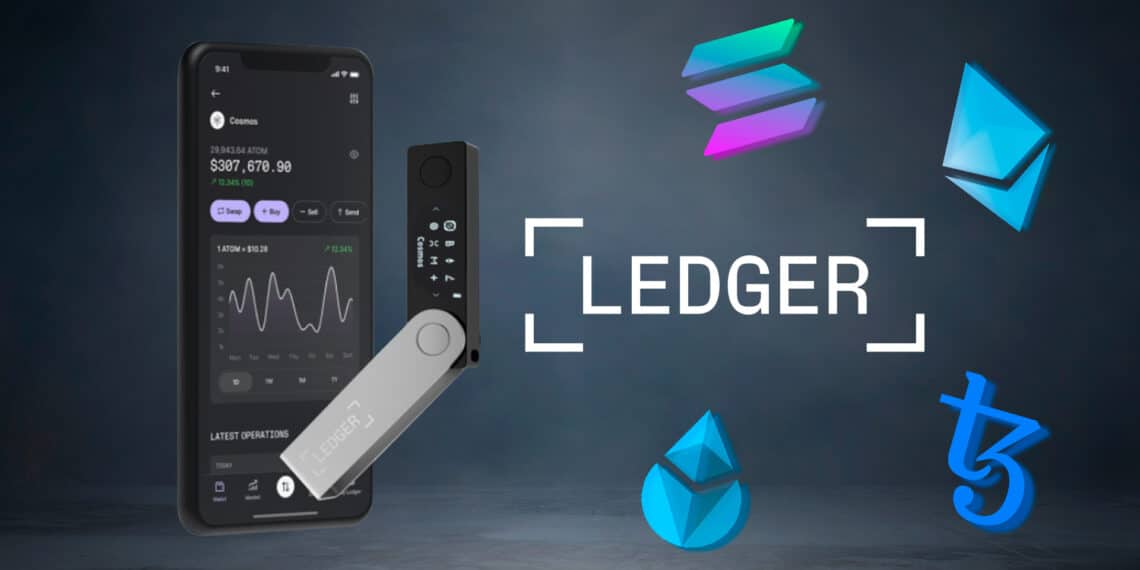
Really? Tools matter. For managing multiple accounts across devices I use applications that support hardware wallets and watch-only modes. For daily reconciliation and transaction history I rely on local software plus on-chain explorers. If you’re using a Ledger or similar device, integration with their desktop app improves the UX; see ledger live for a mainstream example of that class of tooling. I’m not selling anything; I’m pointing at what works for me.
Here’s the thing — always test your restore process. Do an actual device wipe and restore from your backup before you fully commit. Somethin’ as simple as a typo in your written seed transcription can cost you everything, and practicing recovery surfaces those problems early. Do it in a safe environment and document steps clearly for anyone inheriting access.
Whoa! NFT-specific tips now. Keep high-value NFTs in cold storage and use signatures sparingly. When interacting with marketplaces, double-check contract addresses and approve minimal allowances. Many of the biggest losses come from blanket approvals that give contracts unlimited access to your tokens. That’s easily avoidable with careful UX choices and a little vigilance.
Really? Gas and UX are part of the calculus. Sometimes moving an NFT to a marketplace means paying fees and exposing it for a short window. I try to prepare listings from a warm wallet, not from my cold vault. That reduces the time my cold keys are exposed — because I never connect them to unknown web pages unless absolutely necessary.
Okay, so consider an air-gapped signing workflow if you handle large or sensitive NFT drops. Keep a dedicated offline machine to generate unsigned transactions, sign them on the hardware device, and then broadcast from an online machine. It’s clunky, but it’s effective for high-value ops. (oh, and by the way… this was annoying the first few times I did it.)
Whoa! Watch for social engineering. NFT projects often use Discord, Twitter DMs, and email; attackers mimic staff and create fake mint pages. My instinct said “trust but verify”, and that saved me from somethin’ close to disaster. Pause before clicking links. Pause again before approving signatures.
Really? Insure or diversify custody for big portfolios. Some protocols and custodial services now offer insurance or institutional-grade custody with cold storage guarantees. That can be worth exploring if you run a business or hold assets that exceed your comfort with DIY security.
Here’s the thing — cost versus risk. Hardware devices, metal backups, and multiple storage locations add expense and hassle. They also reduce existential risk. For most US-based users with meaningful holdings, the marginal cost is tiny compared to potential loss. I’m biased, but I think that’s math most people should do.
Whoa! Governance and inheritance planning are often ignored. If you die or become incapacitated, your family needs a clear plan. Multisig with trusted parties, legal documentation, and clear backup instructions cut through a lot of future grief. Set expectations now; it saves time and misery later.
Really? Simplicity in documentation is vital. Use plain language, avoid revealing seeds in digital files, and provide a trusted executor with sealed instructions. Keep redundancy in mind: one backup isn’t enough. I learned that the hard way when a single storage location was compromised by water damage — the lesson stung, but it stuck.
FAQs
How do I choose between a hardware wallet and a custodial service?
Short answer: it depends on control versus convenience. If you want sole control and are willing to manage backups and security, a hardware wallet is best. If you prefer convenience and professional recovery options, a reputable custodian may fit. Weigh costs, insurance, and trust carefully.
Can I store NFTs in cold storage?
Yes. NFTs are just on-chain tokens tied to a private key. You can hold them in a hardware wallet or multisig setup. For trading, move targeted NFTs to a warm wallet rather than exposing your deep cold storage to online environments.
What is a safe backup strategy for seed phrases?
Use redundant, geographically separated backups. Prefer robust materials (metal over paper). Consider splitting seeds with a secure secret-sharing scheme for very large estates. Practice restorations and document the process clearly for heirs.