
Whoa! I got hooked early on. At first I only needed a quick tx lookup, somethin’ simple. Something felt off about other explorers. Initially I thought explorers were interchangeable, but then I started comparing response times, indexing depth, and the usefulness of on-page decoded data which shifted my view.
Seriously? Yeah — response time matters. Solscan often returns more readable logs and clean UI elements than some alternatives. My instinct said look at the parsed instructions first. On one hand explorers must be fast, though actually they also need accuracy and developer-friendly features so you can trace program calls through CPI chains and internal instructions.
Hmm… I started using Solscan for wallet analytics and then for deeper audit work. It surfaces token mints, associated accounts, and rent exemption flags in ways that felt practical to me. Here’s what bugs me about some explorers. They often hide CPI traces or present raw logs without helpful decoding which makes investigations tedious and error-prone.
Wow! Solscan’s transaction view shows decoded instruction data inline. I liked that immediately. Developers building on Solana benefit from that transparency because it reduces guesswork and speeds debugging; it’s very very important. On the flip side the explorer occasionally struggles with block replay for huge throughput windows and sometimes indexing lags on heavy RPC traffic.
Seriously? But the team iterates quickly. They add features like token charts and holder breakdowns that are actually useful. I used the holder analytics to spot concentration risk on a token. It saved me from a bad call.
Whoa! The address history shows internal transfers too. That feature is low-profile but huge. I remember chasing a refund that only appeared as a nested transfer and without that view I would have missed the trail entirely. Okay, so check this out— they also provide program pages with verified source links and detailed interaction stats (oh, and by the way… that last bit matters to auditors).
I’m biased, but I prefer explorers that don’t obfuscate program data. I’m not 100% sure why some users don’t care, though actually different workflows value different tradeoffs. For traders the speed of search and token price charts might be king. For auditors and builders, readable instruction decoding and CPI breadcrumbs are priceless. I’ll be honest— the UX isn’t perfect.
There are moments where UI choices feel cluttered or options are buried. But the experience is generally coherent for power users. Initially I thought Solscan was just another block explorer, but after using it across wallets, smart contracts, and token mints I realized it’s more of an analytics toolkit too. Check this out— you can explore token distributions, liquidity pools, and program interactions all from one place. I’m not saying it’s flawless; somethin’ still bugs me about edge-case indexing…
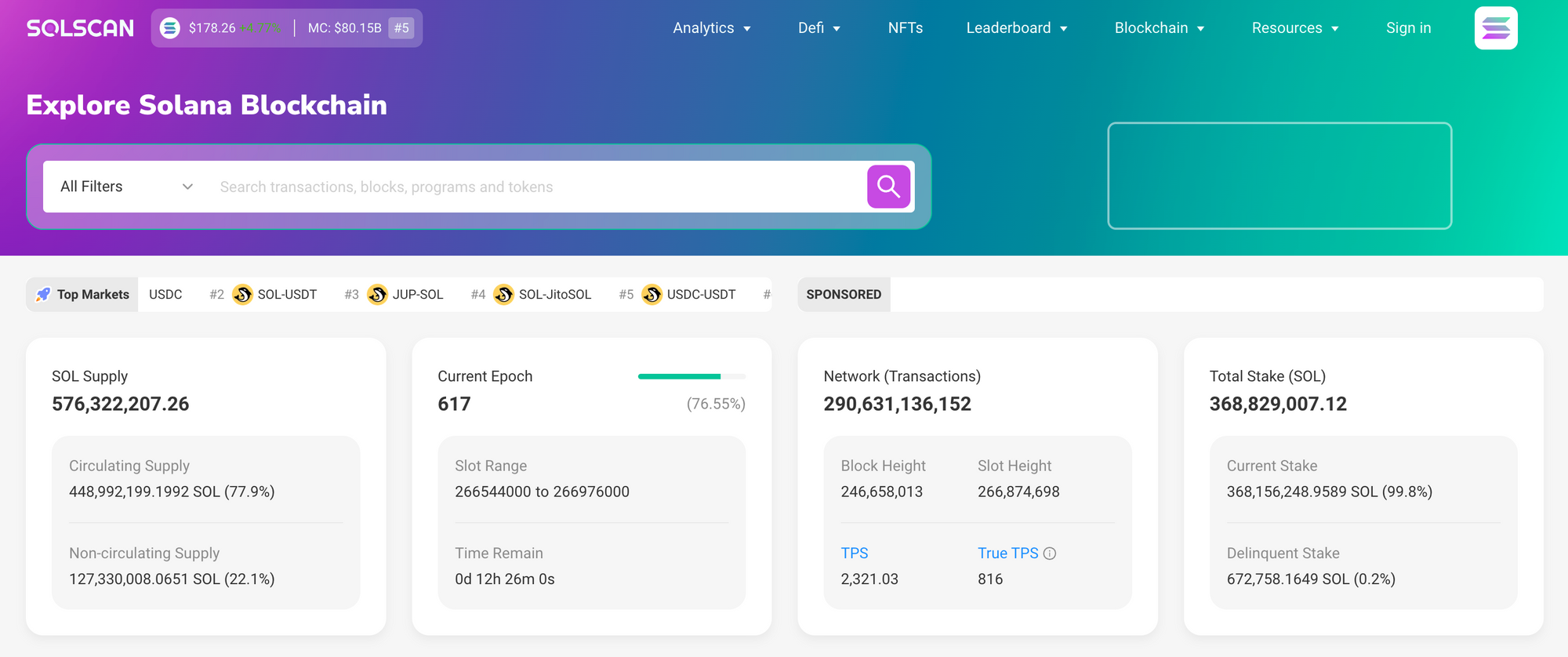
Try Solscan for a practical explorer experience
If you want to explore it yourself, try this site: https://sites.google.com/cryptowalletextensionus.com/solscan-explorer-official-site/ — it opens the door to the features I described and gives you the transaction and token views that I use daily.
Okay, so a few quick practical tips. Use the decoded instruction tab first when a tx looks strange. Use the holder chart to assess distribution risk before you buy. And when you’re debugging programs, follow the CPI breadcrumbs step by step; they’ll often reveal where a state transition actually happened. Sometimes the docs are sparse… but the UI traces most of what you need.
Frequently asked questions
Is Solscan better than other Solana explorers?
It depends on your goal. For casual token lookups, many explorers work fine. For developer debugging, auditing, and detailed wallet analytics, Solscan offers a strong balance of decoded data, program pages, and token analytics that I find very useful.
What should I watch for when using any explorer?
Always cross-check transactions if something looks odd. Look for nested transfers and CPI traces. Be mindful of indexing delays during network congestion and verify critical state changes against on-chain program logs.